Mechanical / DAQ / 2024-2025
Wave Energy Converter
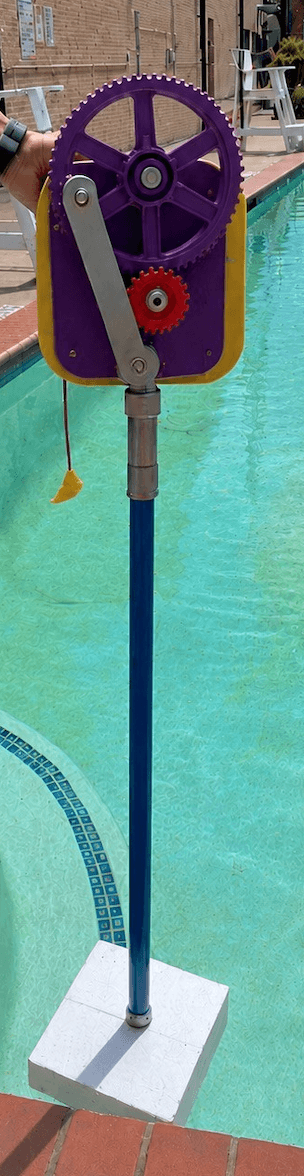
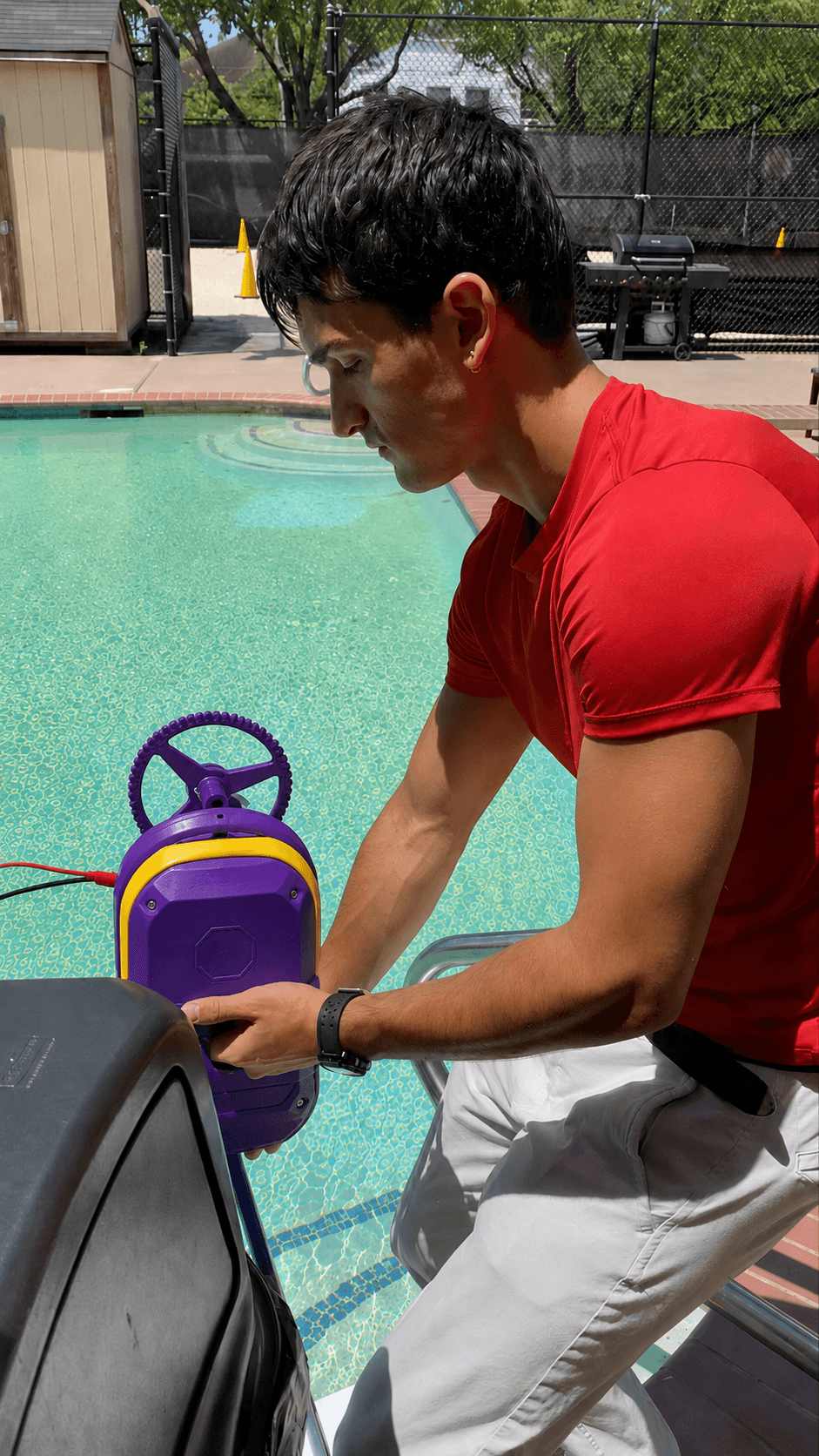
Led a team prototype for a 3D-printed crank-driven wave energy converter that translated vertical wave motion into electrical output using a rotor/stator generator, Arduino DAQ, MATLAB analysis, and pool testing.
Crank-driven wave-energy prototype with rotor/stator generator hardware, hand-wound coils, N52 magnets, wiring, DAQ, and pool testing.
- Role
- Research team lead
- Status
- Validated
- Tools
- SolidWorks3D printingArduino DAQMATLABTest plans
Problem
Design and test a small wave-energy harvesting prototype that could convert vertical wave motion into measurable electrical output, with a long-term vision for offshore oil rigs, islands, and coastal communities.
What I built
- Led a four-person team through concept selection, SolidWorks design, fabrication, pool testing, and iteration.
- Built the mechanical generator around PLA-printed parts, a crank mechanism, aligned rotor magnets, hand-wound stator coils, bearings, and support structure.
- Wired the electrical side with rectifier diodes, capacitors, XT60 connector, voltmeter, silicone wire, and Arduino DAQ for measured testing.
Engineering notes
- Coils used the same winding direction; rotor magnets were mounted in alternating polarity and aligned on the shaft.
- Higher-grade magnets increased expected output; N52 20x10x5 mm magnets were used.
- Coil sizing had to stay within the printed template so the rotor/stator clearance remained usable.
Result
- Converted vertical wave-driven motion into measured electrical output during pool testing.
- Improved measured output by 15% through mechanical/electrical iteration.
- Finished with CAD, fabrication, generator assembly, wiring, DAQ, MATLAB analysis, and technical documentation.
Media